Windows Central Insider




It's been a long time since I've felt energized and excited about the Windows platform and ecosystem, but between Microsoft Build and Computex 2026, Windows just had an amazing week full of announcements that should make even the biggest Windows critics feel good about what's in the pipeline.
For the first time in a long while, it seems like Microsoft and its partners are proud of the Windows experiences they are building. NVIDIA made lots of noise about its new RTX Spark superchip, the first Windows on Arm silicon to really give high-end Apple Silicon a run for its money.
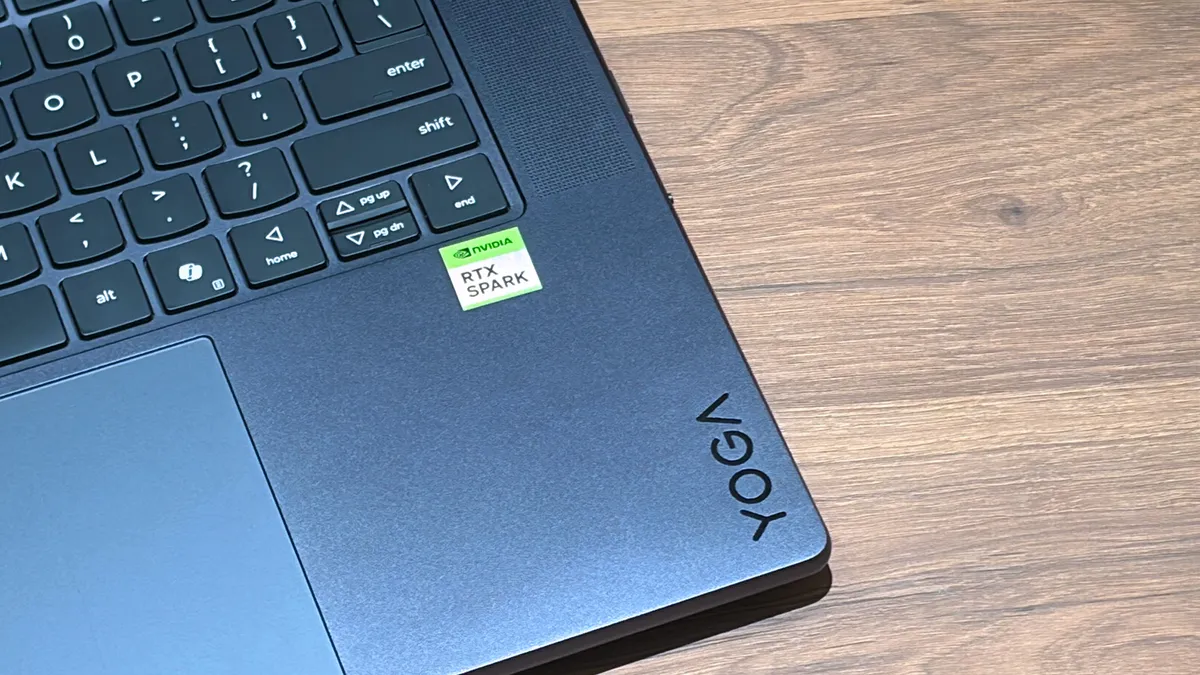
Windows OEMs have also stepped up to build excellent, high-quality devices that rival MacBooks in design, features, and build. The upcoming wave of RTX Spark laptops from HP, Dell, Lenovo, and Microsoft all look and feel incredible, making even the highest-end MacBook Pros look antiquated.
And it's not just the high-end where competition is heating up. Dell and Acer announced the first true MacBook Neo competitor products, powered by Intel Wildcat Lake chips, which deliver good performance and battery life at a cost that allows these OEMs to focus on other areas of the laptop to ensure they feel as good as or more premium than the MacBook Neo.
I managed to test both the Dell XPS 13 and Acer Swift Air 14 this week, and I'm so very impressed. Both devices are $699, but the Dell XPS 13 especially is a true sight to behold at that price. Not only does it give the MacBook Neo a run for its money, but it's so good that it even makes the MacBook Air seem like a bad deal.

I don't recall another time in history where a product as high-end and flagship-like as the XPS 13 could be found new for as low as $699 (or $599 for students!) That's the MacBook Neo effect in full force, and the people who are winning from this are the customers looking to buy their next laptop.
I spoke with various OEMs this week, and I could feel that all of them were super proud to be part of this renewed push in Windows. That's not something you can always say about Windows OEMs, but everyone I spoke to was very happy with Microsoft's work around Windows K2, and the improvements in silicon coming from Qualcomm, NVIDIA, and Intel.
There's a lot of work going on behind the scenes to improve Windows on lower-end devices, too. Microsoft is working to ensure Windows 11 runs well on 8GB RAM, as well as increasing the overall responsiveness and performance of the OS with its new Low Latency Profile feature that's now beginning to roll out.
Microsoft also stepped up with its new Surface Laptop Ultra and Surface Dev Box, powered by RTX Spark and designed to carry forward the Windows platform for developers. The good news is this isn't about adding AI to Windows, but rather about catering to developers who wish to build AI experiences on top of the platform.

It's clear that Microsoft wants developers to view Windows as the premier platform for software and AI development. Windows isn't just a platform for Windows developers; it's a platform for all developers. "Whether you’re building applications, deploying AI models or experimenting with agents, our goal is the same: to make Windows the best place to build – today and into the future," said Windows lead Pavan Davuluri.
I think this week, we saw our first real look at the new Surface. Gone are the days of radical form factors and unique devices. Surface is now all about setting the narrative from a platform perspective. Surface Laptop Ultra is a straight-up laptop workstation, appealing directly to an audience that has otherwise been occupied by Apple and the MacBook Pro. Historically, Surface was mostly interested in appealing to niche or creating new markets, but now it's coming for the ones that Apple dominates.
Up until now, I don't think Windows or Surface have ever been in a position to do this. This speaks volumes as to how confident both Microsoft and its partners are about the Windows ecosystem right now. The Windows K2 effort is bringing real quality of life improvements to the OS, addressing critics' biggest complaints about Windows as a platform.
Microsoft is working around the clock to make it so "it runs Windows" isn't a complaint people can make when talking about these devices. The macOS vs Windows debate will last forever, but at least going forward, Windows itself won't be bringing the entire ecosystem down, something that many would argue was the case up until a few months ago.

It really does feel like this is the first time the Windows ecosystem has had viable alternatives to Apple's MacBook dominance since Apple Silicon. The MacBook Neo took the world by storm earlier this year, but Windows OEMs have already stepped up and beaten it in price and quality. MacBook Pro has seemingly been undefeated at the high-end, but this upcoming wave of RTX Spark laptops should make it so the MacBook Pro is no longer the only option for developers and creatives.
Even Chromebooks and upcoming Googlebooks should feel threatened by this renewed energy around Windows. Qualcomm announced the Snapdragon C, a low-end Windows SoC designed for Chromebook competitor devices between $300 and $500. Then there's the Snapdragon X2 series, which is an incredible SoC for devices that compete with the MacBook Air and entry-level MacBook Pro.
The point is that for the first time in a long time, Windows now has (or will soon have) good, viable offerings at every segment of the market. It should now be harder than ever for a reviewer to recommend the MacBook Neo, MacBook Air, or MacBook Pro as the de facto device for most people. There are so many good Windows laptops on offer in the segments that Mac has previously dominated.
There's still room for improvements when it comes to Windows, but as mentioned above, Microsoft is already working tirelessly to deliver them, with more to come. It's clear that the company wants to send an important message to the industry: Don't count Windows out just yet.
Overall, I am super excited about the current state of the Windows ecosystem, and with platform improvements being made weekly, there are good things to come from an OS perspective, too. For the first time in a long time, I'm proud to be a Windows user once again.

Join us on Reddit at r/WindowsCentral to share your insights and discuss our latest news, reviews, and more.